
10 hr
Chitwan Wildlife Safari: Canoe, Jungle Trek & Jeep Adventure
Explore Nepal's premier national park by river, foot, and vehicle on this immersive wildlife encounter
Reserve
Hand-picked by our editors — only the best 5 safari experiences from 47 reviewed
Verified partners for every tour, free cancellation where available, and instant confirmation on every booking.
10 hr
Explore Nepal's premier national park by river, foot, and vehicle on this immersive wildlife encounter
Reserve
72 hr
Explore Nepal's wildlife haven with jeep safaris, canoe trips, and traditional Tharu village encounters
Reserve
72 hr
Track rhinos and tigers through Nepal's pristine jungle, cruise the Rapti River, and stay overnight in the heart of wildlife country
ReservePrices from verified partners. Availability updates in real time at checkout. Free cancellation policies apply where shown.
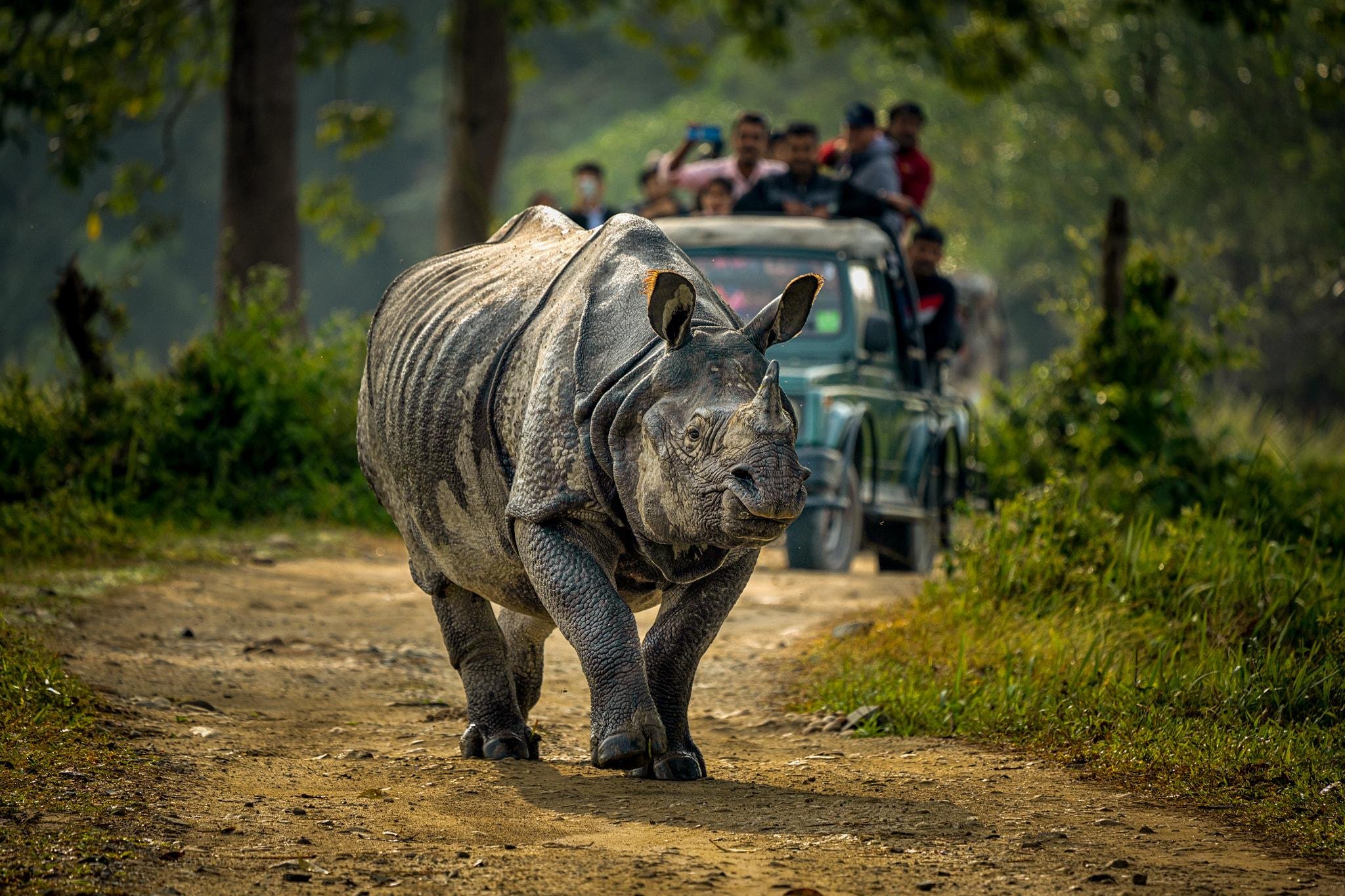
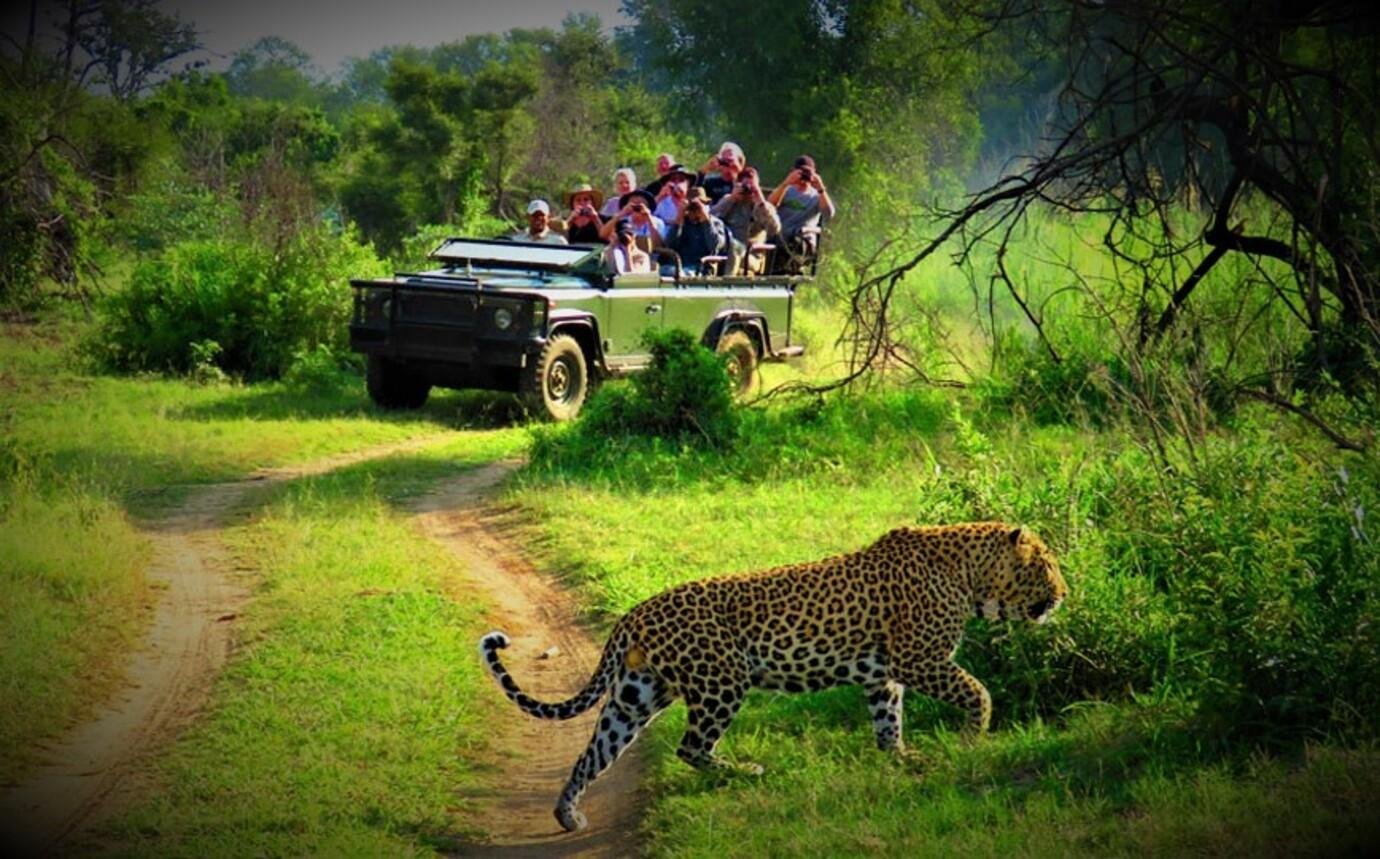
The landmarks, rooms, and views travelers on this tour remember — all visible on a single visit.
Witness the conservation efforts for Asian elephants and view the young calves raised here. The center is a short distance from the park entrance.
Observe gharial crocodiles and various bird species along these vital waterways. These riverbanks are hotspots for wildlife activity during the early morning.
Experience the indigenous lifestyle, traditional architecture, and farming practices of the Tharu community near the buffer zone.
Explore this protected wetland area known for its rich biodiversity and scenic views, ideal for bird enthusiasts.
They serve different purposes; most visitors who do both find that jeep tours provide greater coverage while walking safaris offer superior intimacy with the jungle environment.
| Feature | Top pick Jeep Safari | Walking Safari |
|---|---|---|
Wildlife Viewing Distance |
Longer range | Close proximity |
Safety Level |
High (protected by vehicle) | Lower (exposed) |
Area Covered |
Extensive (deep jungle) | Limited (local zones) |
Physical Exertion |
Minimal | Moderate to high |
Noise Impact on Wildlife |
Moderate (engine noise) | Low (stealthy foot travel) |
Tour Accessibility |
Chitwan jeep safari booking tickets | Chitwan jeep safari booking tour options |
| See tickets → |
Verdict: Select the jeep safari for broad landscape exploration, or choose the walking safari if you prefer to engage with the biodiversity of Chitwan National Park via Chitwan jeep safari booking tours.
Choose your ticket, select your date, and reserve in under two minutes. Secure checkout handled by our verified partner.
Instant confirmation by email, with a mobile voucher you can save offline. No printing, no queuing at a collection desk.
Arrive at the entrance, show your voucher on your phone, and walk in. Most tickets include priority or skip-the-line access.
Practical details for your visit straight from our verified partners — hours, access, rules, and how to get there.
Wear neutral-colored clothing such as khaki, olive, or brown to blend into the natural environment. Avoid bright or neon colors which may disturb the wildlife.
All bags must be checked by guides before entering the park. Ensure all personal belongings are secured and avoid carrying loose items that could be lost during a chitwan jeep safari booking tour.
Photography is encouraged throughout the park, but flash photography is strictly prohibited near wildlife. Respect the animals and keep a safe distance at all times while capturing your chitwan jeep safari booking photos.
The park terrain is rugged and wild; therefore, jeep safaris are the primary method of exploration for most visitors. All guests must be accompanied by a licensed naturalist guide for any chitwan jeep safari booking expedition.
Families are welcome, though children should be supervised constantly due to the wild nature of the environment. Ensure children are prepared for long durations in the vehicle during a chitwan jeep safari booking experience.
Carry sufficient water and snacks, as food services are unavailable within the core forest. All single-use plastic, including bottles and wrappers, is strictly prohibited within the national park boundaries.
Best time to go, insider tips, nearby landmarks, and the cancellation fine print — flip through to skim what matters to you.
Flexible, no hidden fees.
Cancellations must be requested according to the specific operator terms found in your booking confirmation. Refunds on the 2,000 NPR conservation fee are subject to park authority regulations.
Chitwan National Park protects 932 square kilometres of Terai lowland — the last significant tract of tall grassland habitat in the subcontinent. Established in 1973 as Royal Chitwan National Park, it became Nepal's first protected area and earned UNESCO World Heritage inscription in 1984 for its population of Bengal tigers and greater one-horned rhinoceros. The park's southern boundary follows the Rapti River; to the north, the Chure Hills rise in a geological fold that channels monsoon runoff into floodplain marshes where megafauna congregate. More than 700 wildlife species inhabit the reserve, including 68 mammals and 544 bird species recorded in systematic surveys. Open-top jeep safaris traverse the park's 56-kilometre network of unpaved tracks, accessing core zones closed to foot traffic. Morning departures between six and nine o'clock offer the highest probability of rhino and sloth bear encounters, when animals move to water sources before the midday heat. The Kasara administrative headquarters, located 21 kilometres inside the park boundary, serves as the departure point for guided drives into the Khoria Mohan and Sauraha buffer zones. Drivers follow seasonal animal movement patterns documented by park wardens, adjusting routes based on overnight sighting logs maintained at each checkpoint. Chitwan jeep safari booking tours include naturalist interpretation in English or Nepali, with bilingual guides trained through the park's certification programme. The standard four-hour circuit covers approximately 35 kilometres, pausing at observation posts above the Budhi Rapti oxbow and the Bikram Tal grassland where rhino density reaches 12 individuals per square kilometre during the dry season. Visitors pay a conservation fee of 2,000 Nepali rupees per person per day, collected at the Kasara entrance and allocated to anti-poaching patrols and habitat restoration projects. Safari operators provide binoculars and field identification cards; photographers bring telephoto lenses for wildlife documentation from vehicle-mounted platforms designed to minimise disturbance.
"The Terai grasslands hold the densest population of greater one-horned rhinoceros outside India's Kaziranga."
A step-by-step walkthrough of the visit — what you'll see, how long each stage takes, and the details that matter.
You meet your naturalist at dawn in Sauraha village, boarding the canvas-roofed jeep as mist lifts from the Rapti floodplain. The vehicle crosses the pontoon bridge into the park, entering sal forest where langur monkeys scatter through the canopy. Your guide scans fresh pugmarks in the dust — a tigress passed two hours ago, heading toward the river. Twenty minutes into the drive you emerge at Khoria grassland. A rhino cow and calf graze 40 metres ahead, their armoured hides grey in the early light. The driver cuts the engine. You watch through binoculars as the calf nuzzles its mother, then both animals wade into a shallow pool, submerging until only their ears and horns remain visible. A spotted deer herd crosses the clearing, pausing to assess your stationary vehicle before bounding into the undergrowth. The jeep continues to the Budhi Rapti lookout, where your guide identifies a crested serpent eagle perched on a dead kapok tree. You pause for tea at the Kasara checkpoint, then complete the circuit through mixed forest, logging three more rhino sightings and a sloth bear foraging in a termite mound. By ten o'clock you return to the village, your field notebook filled with species tallies.
Chitwan National Park is open 00:00–23:59 daily, though specific safari times are set by your licensed operator.
The 2,000 NPR conservation fee for foreign nationals is typically separate from the tour operator's activity price.
Early morning between 06:00–09:00 is the recommended arrival window for the best chance to spot active wildlife.
Yes, families are welcome, but children must remain under adult supervision throughout the duration of the trip.
Prohibited items include all single-use plastics, drones, and any loud equipment that could disturb the wildlife in Chitwan National Park.
Yes, a licensed guide is mandatory for all safaris and jungle activities within the park boundaries.
No, plastic bottles and all single-use plastics are strictly prohibited in the park to protect the ecosystem.
The dry season from October to March offers the clearest visibility and highest wildlife activity, making it ideal for booking.
Most visitors arrive via Sauraha, which is accessible by road or flight into nearby Bharatpur, followed by a short transit to the park gate.